Top 10 Places to Visit in Amritsar — Beyond the Golden Temple.
Top 10 Places to Visit in Amritsar — Beyond the Golden Temple.
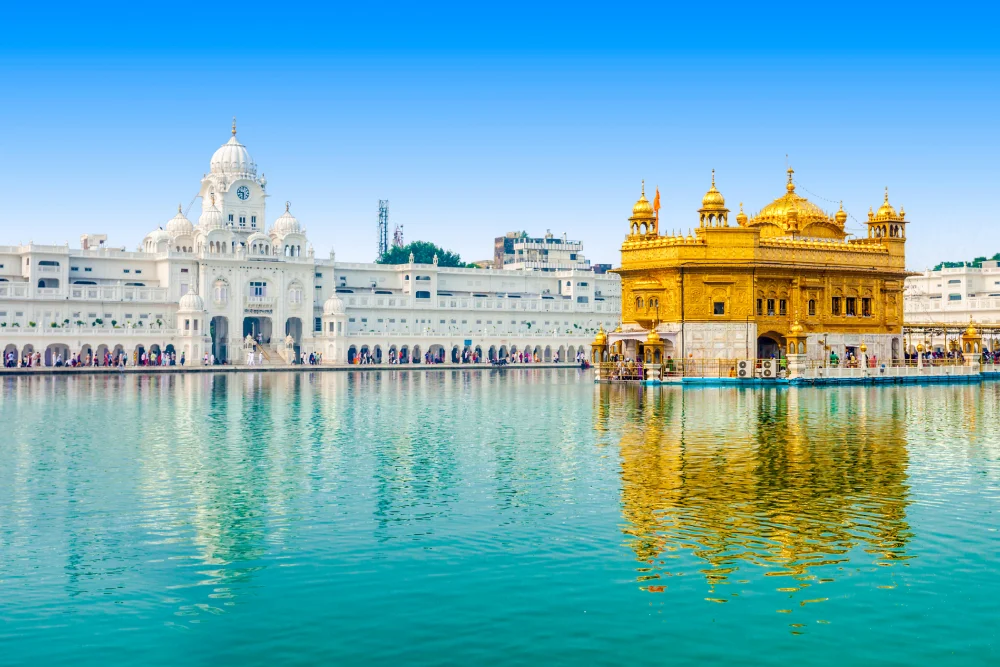
Finding the best places to visit in Amritsar goes far beyond just the Golden Temple. Most visitors arrive with two things on their list: the Golden Temple and the Wagah Border ceremony. Both are genuinely unmissable — but Amritsar rewards a slower, more curious kind of travel. The city has layers of Sikh history, Mughal architecture, colonial-era gardens, and a food culture that’s worth a trip on its own. Here are ten places that deserve a spot on your itinerary.
1. Jallianwala Bagh
A short walk from the Golden Temple, this walled garden is one of the most historically significant sites in India. On 13 April 1919, British colonial forces opened fire on a peaceful gathering here, killing hundreds of unarmed civilians. The garden has been preserved largely as it was — the bullet marks are still visible in the walls, and the well into which people jumped to escape the gunfire is still standing. The on-site museum provides context for those unfamiliar with the event. It’s a sobering, necessary complement to the jubilance of the Golden Temple nearby.
Best time to visit: Morning, before tour groups arrive. Allow 1–1.5 hours.
2. Partition Museum
Located in the historic Town Hall building, the Partition Museum is one of the most moving institutions in South Asia. It documents the 1947 partition of India and Pakistan through personal testimonies, photographs, and artefacts — a history that’s deeply local to Amritsar, which sits just 28 km from the border. If you’re visiting the Wagah Border ceremony, seeing this museum first adds real weight to the experience.
Best time to visit: Any time of day. Allow 1.5–2 hours minimum.
3. Shahi Qila (Gobindgarh Fort)
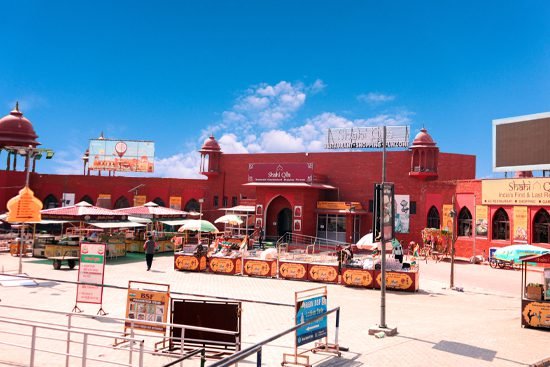
Built in the 18th century and used by Maharaja Ranjit Singh as his treasury and arsenal, Gobindgarh Fort sat closed to the public for decades before reopening as a heritage attraction. It now hosts a well-produced sound-and-light show in the evenings that narrates the history of Punjab’s Sikh empire — one of the better-executed heritage experiences in North India. The fort itself, with its ramparts, underground chambers, and armory exhibits, is worth exploring in daylight too.
Best time to visit: Late afternoon for the fort, then stay for the evening show. Allow 2–3 hours.
4. Maharaja Ranjit Singh Museum (Ram Bagh Palace)
Set inside Ram Bagh — a Mughal-style garden designed by Maharaja Ranjit Singh himself — this museum houses a collection of miniature paintings, weapons, coins, and personal artefacts from the Sikh Empire era. The building itself, a summer palace, is worth the visit. It’s quieter and less visited than the major sites, which makes it one of the better spots to linger without feeling rushed.
Best time to visit: Morning. Allow 1–1.5 hours.
5. Durgiana Temple
Modelled after the Golden Temple in its lakeside setting and architecture (including silver-plated doors), the Durgiana Temple is Amritsar’s most significant Hindu shrine. It’s dedicated to Goddess Durga and sees a fraction of the Golden Temple’s crowds, making it a noticeably more peaceful visit. The temple’s reflection on the surrounding water is particularly striking in the early morning.
Best time to visit: Early morning or late afternoon. Allow 45 minutes–1 hour.
6. Wagah Border Ceremony
Even if you’ve read about it, nothing quite prepares you for the atmosphere. The Beating Retreat ceremony at the Attari Wagah Border — where India’s BSF and Pakistan’s Rangers lower their respective flags simultaneously every evening — draws thousands of spectators daily and combines military precision with genuine crowd energy. See our first-timer’s guide to the ceremony for exactly what to expect and when to arrive.
Best time to visit: Arrive 1.5–2 hours before sunset (timing shifts by season — check the seasonal guide here).
7. Sadda Pind
A recreated Punjabi village on the outskirts of Amritsar, Sadda Pind offers a curated experience of rural Punjab culture — folk performances, traditional crafts, bullock cart rides, and authentic Punjabi food cooked in a village-style kitchen. It’s particularly good for families with children and for visitors who want a more hands-on cultural experience than museum visits. The food here is genuinely excellent.
Best time to visit: Late afternoon, when the folk performances run. Allow 2–3 hours.
8. Khalsa College
One of the most architecturally striking campuses in North India, Khalsa College was built in 1892 and combines Indo-Saracenic and Mughal design elements into a red-brick building that photographs beautifully. It’s still an active university rather than a heritage attraction, so visits are informal — walk the outer grounds and take in the facade. Worth a 20-minute stop if you’re already in that part of the city.
Best time to visit: Weekday mornings when the campus is active. Allow 20–30 minutes.
9. Katra Jaimal Singh Market (Heritage Street)
The heritage street connecting the Golden Temple to the old city markets has been redesigned in recent years as a pedestrian walkway lined with traditional architecture, food stalls, and shops selling Punjabi handicrafts, phulkari embroidery, and local sweets. Amritsari papad, pickles, and the city’s famously flaky kulcha-chhole come from stalls along these lanes. Don’t leave without trying a glass of lassi from one of the old-school shops.
Best time to visit: Evening, when the street comes alive. Allow 1–2 hours.
10. Ram Bagh Gardens
The public garden surrounding the Maharaja Ranjit Singh Museum is one of Amritsar’s most pleasant green spaces — Mughal-style layout, well-maintained lawns, and noticeably cooler than the city streets in summer. It’s a good place to slow down between sites rather than rushing from one attraction to the next.
Best time to visit: Morning or late afternoon. Allow 30–45 minutes.
Covering All of This in One Trip
Fitting all ten into a single day isn’t realistic without rushing through everything. A practical approach:
- Half day: Golden Temple + Jallianwala Bagh + Heritage Street (all walkable from each other)
- Full day with Wagah Border: Add the ceremony in the late afternoon — our Amritsar Full Day Tour is built around exactly this combination
- Two days: Day 1 covers the temple cluster and old city; Day 2 adds Gobindgarh Fort, the Partition Museum, Sadda Pind, and the Wagah Border ceremony
For a private tour that covers the sites you want at your own pace, contact us — we can plan the route and timing around your schedule.
Visiting Amritsar for the first time and not sure where to start? Get in touch and we’ll help you put together an itinerary that fits your time.


Make booking for Places to See in Amritsar
Recent Posts
5 Reasons to Book Wagah Tours for Your Wagah Border Trip

Mumbai to Amritsar Trip — How to Plan a 2-Day Wagah Border Trip