Best Time to Visit Amritsar: A Month-by-Month Travel Guide.
Finding the best time to visit Amritsar depends on how you want to experience the city’s weather, crowds, and major festivals. Amritsar is a year-round destination, but the experience varies dramatically depending on when you go. Summer temperatures regularly cross 45°C; winter mornings near the Wagah Border can drop below 5°C; and the weeks around major Punjabi festivals bring crowds and energy to the city that are genuinely worth planning around. Here’s the honest month-by-month breakdown.
Summary of the Best Time to Visit Amritsar
Season
Months
Weather
Crowds
Verdict
Peak
October – March
Cool to cold
High
Best overall
Shoulder
September, April
Warm
Moderate
Good value
Avoid (or prepare for heat)
May – August
Very hot
Low
Doable with planning
Month by Month
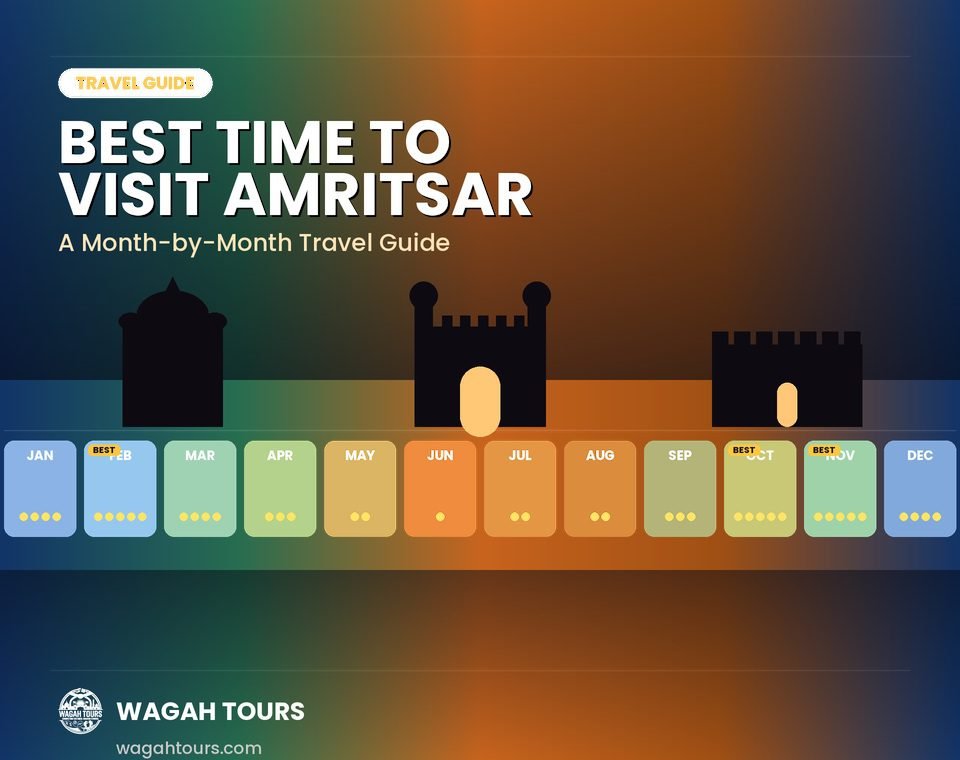
January ⭐⭐⭐⭐
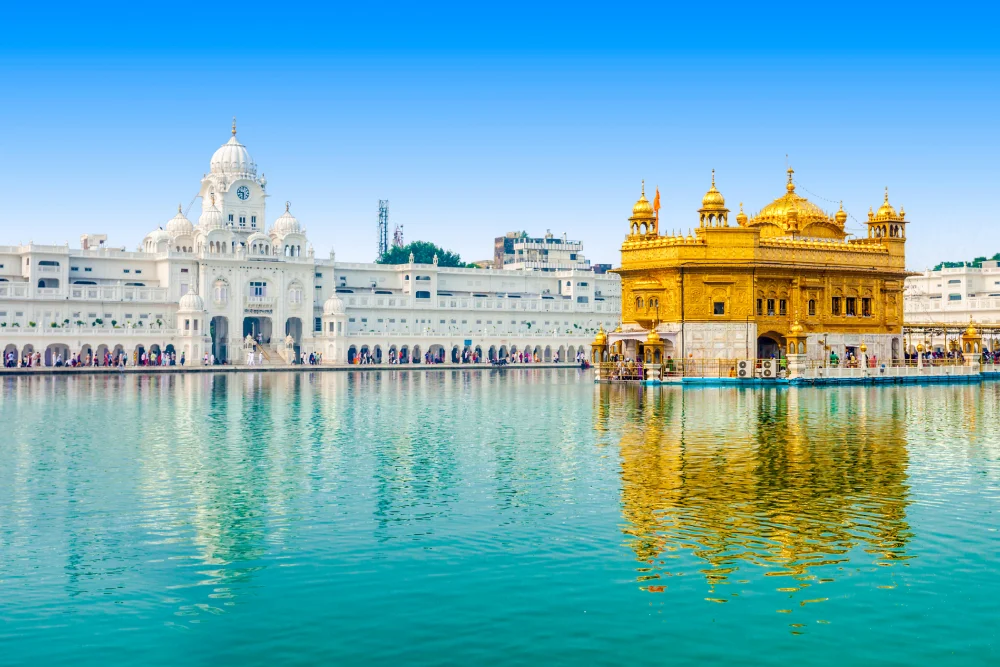
Cold (5–16°C), crisp, and clear. The Golden Temple is at its most atmospheric — morning mist over the sarovar (sacred pool), smaller crowds than December, and the full festival season just past. Wagah Border ceremony timings are at their earliest (around 4:00–4:15 PM). Pack warm layers for evenings. One of the best months to visit if you don’t mind the cold.
February ⭐⭐⭐⭐⭐
Often the sweet spot. Temperatures rise to a comfortable 10–22°C, Lohri (late January/early February) celebrations bring the city alive, and tourist numbers are slightly lower than the December–January peak. Ideal for combining the Golden Temple, Wagah Border, and outdoor sightseeing without excessive heat or cold.
March ⭐⭐⭐⭐
Holi arrives in March — a genuinely festive time in Amritsar, with street celebrations in the old city adding colour to any visit. Temperatures are still comfortable (14–26°C) and weather is stable. Good month for photography — clear skies, warm golden light.
April ⭐⭐⭐
The transition month. Early April is pleasant (18–30°C); late April starts to feel warm. The Baisakhi festival (around 13–14 April) is one of the most significant dates in the Sikh calendar and transforms Amritsar — the Golden Temple sees enormous gatherings, the city is festive and decorated, and there’s a vibrant procession culture that’s worth experiencing if you can handle crowds.
May ⭐⭐
Summer begins in earnest. Temperatures hit 35–42°C and the heat makes outdoor sightseeing genuinely exhausting by midday. If you’re visiting in May, start early (6–8 AM for the Golden Temple), rest in the hottest hours, and target the late-afternoon Wagah Border ceremony as your main activity. Low crowds are the one advantage.
June ⭐
The hottest month — temperatures regularly reach 44–46°C. Not recommended unless you have no choice. The Wagah Border ceremony continues daily regardless, but the heat at the open-air gallery is significant. If you do visit, go early, carry water, and plan very limited outdoor time.
July ⭐⭐
Monsoon arrives, bringing humidity and occasional heavy rain. Temperatures moderate slightly (34–38°C) but the humidity makes it feel hotter. Crowding is low, and the Golden Temple’s reflection on the sarovar after rain can be beautiful. A viable choice if you’re comfortable with unpredictable weather.
August ⭐⭐
Independence Day (15 August) brings a particularly charged atmosphere to the Wagah Border ceremony — this is one of the most intensely patriotic dates of the year at the border, with larger-than-usual crowds and heightened energy. Worth planning around if the ceremony is your primary reason for visiting, though the heat and humidity persist throughout the month.
September ⭐⭐⭐
The monsoon retreats. Humidity drops, temperatures begin to ease (30–36°C), and the city starts to feel manageable again. A quiet, lower-cost month to visit with fewer tourists and decent weather by late September.
October ⭐⭐⭐⭐⭐
Peak season begins. Temperatures are ideal (20–32°C), Navratri and Dussehra add festive energy to the city, and the Wagah Border ceremony shifts to a slightly later timing as the days shorten — still a comfortable evening visit. One of the best months.
November ⭐⭐⭐⭐⭐
Arguably the finest month to visit. Guru Nanak Jayanti (Gurpurab) falls in November and is the most significant celebration in the Sikh calendar — the Golden Temple is illuminated, Nagar Kirtan processions fill the streets, and the atmosphere is extraordinary. Temperatures are cool and pleasant (12–26°C). Book early; accommodation fills up.
December ⭐⭐⭐⭐
Cold (8–20°C), festive, and popular. Christmas and New Year bring additional visitors alongside the Sikh winter festival season. The Golden Temple in winter — steam rising from the sarovar, fewer tourists than October–November, early morning serenity — is genuinely special. Wagah Border ceremony timings are at their earliest (~4:00 PM), so plan accordingly.
The Wagah Border Ceremony Through the Seasons
The ceremony happens every day of the year — what changes is the start time and the crowd composition:
October–March: Ceremony starts 4:00–4:30 PM. Cooler, more comfortable viewing. Higher general tourist footfall.
April–September: Ceremony starts 5:00–5:30 PM. Hotter (especially May–June). August 15 draws the year’s largest crowds.
Major Indian holidays (Republic Day, Independence Day, Diwali period): Expect significantly higher crowds at all times — build in extra buffer time before the ceremony.
However you plan your dates, a comfortable taxi from Amritsar to the Wagah Border — timed to the exact ceremony start — takes the logistics off your plate entirely. Our Amritsar Full Day Tour with Wagah Border and Wagah Border Ceremony Booking are both available year-round and adjusted for the seasonal ceremony schedule.
Not sure which month suits your itinerary? Contact us and we’ll help you plan around dates that work for you.